

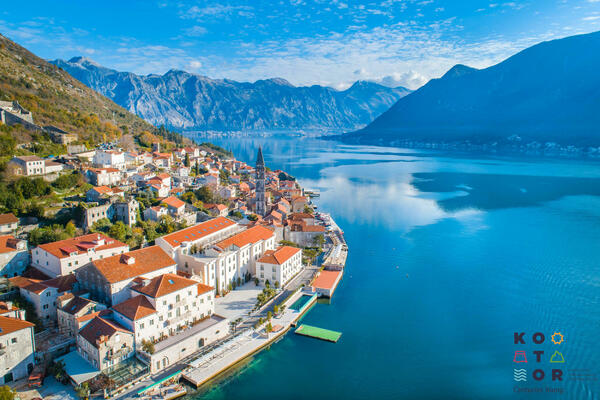

Summer in Montenegro is like stepping into a travel influencer’s postcard – turquoise bays, ancient stone towns, rugged mountains, and wallet-friendly adventures all packed into one pint-sized country. While everyone else is jostling for space on crowded Mediterranean beaches, you could be savouring fresh seafood by a quiet Adriatic bay or hiking in a cool mountain forest. Montenegro may be small, but it’s bursting with breathtaking beaches, soaring mountains, and charming old towns.
Montenegro summer highlights
- Coastal Magic: Medieval Kotor offers history and fjord-like bay views, while Budva brings beach vibes, nightlife, and countless Montenegro beaches to unwind on. Don’t miss the iconic islet of Sveti Stefan for that perfect Instagram shot.
- Mountain Adventures: Escape the heat in Durmitor National Park – go rafting in Europe’s deepest canyon, hike around glacial lakes, and experience the charm of Montenegro’s mountain towns like Žabljak. At Lake Skadar, enjoy boat rides, bird watching (pelicans!), and local wine amid peaceful nature.
- Culture & Value: Savor Montenegro’s blend of East-meets-West culture – Venetian old towns, Orthodox monasteries, and festive summer carnivals. Feast on fresh seafood and hearty mountain fare, toast with local wine and rakija, and dance the night away at town festivals. Best of all, a summer in Montenegro is delightfully affordable, so you can live the high life without the high price.
Kotor: Medieval charm by the Bay of Kotor
Nestled at the end of a fjord-like bay, Kotor is a showstopper that effortlessly blends history and jaw-dropping scenery. The Bay of Kotor (Boka Bay) is often called Europe’s southernmost fjord – a UNESCO World Heritage site with centuries of seafaring history and impressive Venetian fortresses rising above azure waters. Enclosed by stone walls, Kotor’s Old Town is a maze of cobblestone alleys, medieval churches, and piazzas filled with cozy cafes and stray cats (spotting Kotor’s famous cats becomes a fun game of its own). Be sure to wander without a map – you’ll stumble upon hidden squares, ancient chapels, and possibly your new favorite gelato spot.

One must-do (if you’re up for some exercise) is hiking up the fortress walls to St. John’s Fortress. It’s 1,350 steps up the mountain, but the panoramic view from the top – red rooftops, the bay’s blue waters, and towering peaks – is absolutely worth the sweat. Go early in the morning to beat the heat (and cruise ship crowds). In fact, plan to explore Kotor in the early morning or late evening when the cruise crowds are gone and midday heat subsides. Spend the hot afternoons lazing by the bay or at a cafe under an orange tree.
For a different perspective, take a boat trip across Kotor Bay – you can visit the tiny island church of Our Lady of the Rocks and cruise past Perast’s elegant waterfront. Don’t forget to count how many photogenic historic towns dot the bay’s coastline; this region is stacked with charm (Perast, Prčanj, and Tivat to name a few). By night, Kotor’s streets come alive with live music and outdoor dining. If you’re lucky, you might catch one of Kotor’s summertime festivals – the town hosts a lively Summer Carnival every August with Venetian-style masks, fireworks over the fortress walls, and dancing in the streets. It’s a magical time to experience local culture amid the medieval backdrop.
Budva: Beaches, Old Town & Summer Buzz
If Kotor is a dreamy medieval escape, Budva is Montenegro’s beach superstar and nightlife capital. Just a 40-minute drive from Kotor, Budva greets you with umbrella-dotted Montenegro beaches lining the Adriatic coast. The water is warm, clear, and perfect for a mid-day dip. Budva’s Old Town (Stari Grad) sits on a small peninsula – a mini walled city of its own with stone lanes, quaint squares, and a seaside citadel. Surprisingly, the Old Town often feels mellow by day, with locals sipping espresso in shady cafes and far fewer tourists than you’d expect (a nice surprise after Kotor’s popularity). Pop into boutiques, enjoy a scoop of kohlad (chocolate) ice cream, and climb the city walls or citadel for panoramic views of the town and sea.
Of course, the real star here is the Budva Riviera – a string of pebbly beaches and hidden coves. The town beach right outside the Old Town is convenient (imagine swimming with a medieval backdrop!), though it can be crowded in peak summer. Stroll 10 minutes to find Mogren Beach I & II, two scenic coves backed by cliffs, often cited among the best places to visit in Montenegro in summer for sun-seekers. Further along are Bečići Beach (famous for its long stretch of sand) and Jaz Beach, known for hosting big music festivals and concerts in years past. In fact, Budva has earned a bit of a party reputation – its summer Sea Dance Festival has drawn international DJs and crowds of music lovers to dance under the stars. By evening, Budva transforms as bars and clubs pump out music until the early hours. You can find everything from laid-back beachfront bars to flashy nightclubs where Balkan turbo-folk meets EDM. Whether or not clubbing is your scene, an after-dinner stroll along the lively promenade – with carnival rides, street performers, and the sea breeze – is a treat.

Yet Budva isn’t all fast-paced. You can still find a quiet spot on a less developed beach or enjoy a romantic seafood dinner on the city walls listening to the waves. Speaking of seafood: Montenegrin coast cuisine is delicious. Grilled squid drizzled in olive oil and lemon, black risotto, and fresh oysters are common here – and the Adriatic seafood is bar none. Pair your meal with a glass of local Vranac red wine or a crisp Krstač white as the sun sets. Life is good on the Budva Riviera, and it won’t cost you a fortune either – Montenegro is a far less expensive option than typical Euro-summer hotspots, so you can snag that seaside cocktail without sticker shock.
Sveti Stefan: Postcard-Perfect Island Resort
A view of the iconic Sveti Stefan island, a 15th-century village turned luxury resort, connected to the mainland by a narrow causeway. Sveti Stefan is the image that likely pops up when you Google “summer in Montenegro” – a tiny terracotta-roofed island linked to the coast by a narrow pink-sand causeway. Once a 15th-century fishing village, this island was transformed into a luxury resort in the mid-20th century, famously hosting Hollywood stars and European royalty. Today, the Aman luxury group operates the resort, so the island itself is exclusive to hotel guests and guided tours. But don’t worry – you can admire Sveti Stefan from the mainland beach and viewpoints easily, and it’s a sight straight out of a fantasy. Pink pebble beaches on either side of the causeway offer public access (for a fee on one side, while the other is reserved for hotel guests). The water here is a dreamy translucent blue, perfect for a swim with an unreal backdrop.

Even if you’re not splurging on a stay, it’s worth the 20-minute drive from Budva to spend an afternoon at Sveti Stefan. There’s a small village area on the mainland with cafes and a walking path that leads to a spectacular panorama above the island – don’t forget your camera! As the Original Travel guide puts it, this historic village-island is blessed with pink beaches and is the perfect place to indulge in fresh seafood and Montenegrin wine while watching the sunset. Indeed, a sunset view of Sveti Stefan, with the sky turning tangerine over the Adriatic, is pure bliss. It’s one of those pinch-me travel moments. And if you crave a little active adventure, you can hike through the adjacent Miločer Park (once a royal estate) for shady paths and surprise vistas of the island through olive groves.
Durmitor National Park: Peaks, Lakes & Mountain Town Life
When you’re ready to swap the flip-flops for hiking boots, head north to Durmitor National Park – Montenegro’s mountainous playground and a refreshing escape from coastal summer heat. Durmitor is a UNESCO World Heritage site famed for its dramatic Dinaric Alps scenery. Picture snow-capped limestone peaks, dense pine forests, and sparkling glacial lakes at every turn. In fact, Durmitor boasts 48 peaks over 2,000 meters high and 18 glacial lakes scattered across its massif, fondly nicknamed “mountain eyes” by locals. The largest and most accessible is Black Lake (Crno Jezero), near the small town of Žabljak – an icy-blue lake surrounded by evergreens and overlooked by towering mountains. A leisurely 3.5 km trail circles Black Lake, offering postcard views that will flood your Instagram feed with envy.

Žabljak, by the way, is the highest town in the Balkans (1,450m elevation) and the quintessential Montenegro mountain town – think wooden chalets, cozy inns, and meadows dotted with wildflowers. It’s the main base for Durmitor adventures, the center of Montenegrin mountain tourism, yet still incredibly affordable and laid-back. By day, the options are endless: hike to panoramic viewpoints like Bobotov Kuk (Durmitor’s highest peak at 2,523 m), go mountain biking or rock climbing, or simply have a picnic by a crystal-clear lake. Tara River Canyon, which cuts along Durmitor’s edge, is a must-see – at 1,300 meters deep, it’s Europe’s deepest gorge (second in the world after the Grand Canyon). For adrenaline junkies, white-water rafting down the emerald Tara River is the ultimate summer thrill. You’ll crash through rapids surrounded by sheer canyon walls and untouched nature – an experience you won’t soon forget.
Not into rafting? Consider a gentle zipline ride across the Tara Canyon near the famous Đurđevića Tara Bridge – a quick rush and breathtaking view from above. After your adventures, reward yourself with a hearty mountain meal: try kačamak, a traditional porridge of potatoes, cheese, and cornmeal, or grilled lamb and potatoes under the bell (ispod sača) – Durmitor’s mountain cuisine is rustic and satisfying. In the evenings, temperatures drop pleasantly, and you might even need a light sweater – a welcome contrast to the coastal humidity. Find a local tavern in Žabljak to sip rakija by a crackling fireplace, swapping stories with fellow travelers about the day’s exploits. Durmitor’s beauty will make you feel like you’ve discovered a secret alpine paradise in the Balkans.
Lake Skadar: Wildlife, wine & waterscapes
Straddling the border of Montenegro and Albania lies Lake Skadar, a vast freshwater lake that offers a completely different summer experience. This is the largest lake in the Balkans – an oasis of wetland beauty, cozy villages, and tons of wildlife. If you need a break from saltwater and just want to chill in nature, Skadar is your spot. The lake is a protected national park, famous for its curving coastline filled with water lilies, reed beds, and quaint islets. In summer, the lake’s surface shimmers under the sun, and local boat captains in the town of Virpazar are eager to take you on a boat cruise through lily pads and mirror-like waters. It’s incredibly peaceful – you’ll likely share the lake with local fishermen, squawking waterfowl, and not many other tourists at all.

Bird enthusiasts, rejoice: Lake Skadar is home to over 260 species of birds, including one of the only habitats of the Dalmatian pelican in Europe. Bring binoculars on your boat tour – with luck you’ll spot these rare curly-haired pelicans gliding over the water, along with herons, cormorants, and maybe an eagle or two. Many tours include a stop at secluded swimming spots where you can jump into the lake’s warm waters for a refreshing dip. Unlike the crowded beaches elsewhere, here it might be just you, the birds, and the gentle lap of freshwater against your toes.
Beyond wildlife, Lake Skadar has a cultural side. The shores are dotted with tiny island monasteries and fortress ruins, like the eerie Grmožur Island (nicknamed “Montenegrin Alcatraz” for its history as a 19th-century prison). You can also visit local wineries in the Crmnica region near the lake – Montenegro’s wines are excellent, and there’s nothing like sipping a glass of Vranac red at a family vineyard while overlooking the lake at golden hour. Don’t miss trying the local specialty of smoked carp or eel, often served by lakeside restaurants in Virpazar. Each July, Virpazar even hosts a fun Wine and Bleak Festival (bleak is a small local fish) celebrating the area’s gastronomy – a great chance to mingle with locals over fresh fried fish and vino. Whether you’re kayaking at dawn amid misty reeds or enjoying a lazy afternoon wine tasting, Lake Skadar showcases Montenegro’s slower, wilder side. It’s the perfect counterpoint to a busy beach itinerary.
Local Culture, suisine & summer festivals
One of the joys of summer in Montenegro is how much culture and warmth is woven into the travel experience. This tiny nation has a blend of influences – you’ll notice Venetian touches in coastal architecture, Ottoman and Austro-Hungarian hints inland, and a Mediterranean lifestyle everywhere. Montenegrins are famously laid-back (the joke is that the national motto is “No rush!”) and very hospitable. Don’t be surprised if a local strikes up a conversation or invites you for a coffee – English isn’t widely spoken outside tourist spots, but a smile and a few words like dobar dan (good day) go a long way.
Food in Montenegro deserves its own fanfare. It’s a fusion of Mediterranean and Central European flavors. Along the coast, you’ll feast on ultra-fresh seafood: grilled Adriatic fish drizzled with olive oil, octopus salad, black cuttlefish risotto, and pastas that reveal Italy is just across the sea. In the mountains, the cuisine turns heartier: think cevapčići (grilled minced meat rolls and the national dish), Njeguši pršut (smoked prosciutto from the village of Njeguši – a must-try, renowned for its flavor), local cheeses, stewed meats, and mountain honey. One beloved mountain dish is brav u mlijeku – lamb slow-cooked in milk – which sounds odd but tastes like tender, herbal goodness. With every meal, you’ll often get baskets of fresh bread (Montenegrins love their carbs) and possibly a shot of rakija, the ubiquitous fruit brandy. Rakija is strong (you’ve been warned) but it’s a cultural experience – usually homemade from plums, grapes, or figs, and offered as a gesture of friendship. If that’s too bold, stick to the wine: Montenegro’s wines are excellent and underrated. The lush plains around Lake Skadar produce the indigenous Vranac grape, yielding a robust red wine that pairs perfectly with grilled meats.
Summer in Montenegro also means it’s festival season! Nearly every town has some sort of celebration. We already mentioned Kotor’s Summer Carnival with its masked parades and fireworks. There’s also KotorArt, an international festival in July/August featuring classical concerts, theater, and dance performances set in Kotor’s atmospheric old town. In Budva, you might catch Theatre City, a festival of live theater and music performances held at historic open-air venues throughout summer. Coastal towns celebrate Boka Night (a lit-up boat parade in Kotor Bay in August) and any number of local fešte (festivals) celebrating everything from olives to fishing. These events are fantastic opportunities to mingle with locals, hear traditional music (you might encounter klapa singing – soulful a capella harmonies – echoing off stone walls), and taste homemade goodies. Don’t be shy – join in a folk dance or at least do a little kolo (circle dance) clapping! Montenegrins know how to enjoy life, and in summer the motto is simple: eat, drink, dance, and celebrate late into the warm nights.
Practical Montenegro Travel Tips:
- Timing: The best time for a Montenegro summer trip is late spring to early fall (April–September), when weather is sunny and warm. July and August are hottest (30°C+) and busiest, so consider June or early September for fewer crowds and pleasant temps.
- Currency: Montenegro uses the Euro (€) as its currency, even though it’s not in the EU. This makes travel easy – no tricky exchange rates – and prices are pleasantly affordable compared to Western Europe.
- Getting Around: Buses connect all major towns and are budget-friendly. For flexibility (especially to mountain areas), renting a car is a great option – roads are generally good, just a bit narrow and winding in the mountains. In coastal towns, taxis and boat ferries are handy (yes, you can even boat between some beach towns!).
- Language: Montenegrin is the official language (very similar to Serbian/Croatian). In tourist spots many people speak some English, but learning a few phrases like hvala (thanks) or dobro veče (good evening) will win you smiles. Also, don’t be surprised if you hear Serbian, Bosnian, or Albanian – it’s a multicultural country.
- Budget: Good news – Montenegro is quite cheap by European standards. Backpackers can get by on €30-50 a day comfortably. Even if you’re not on a strict budget, you’ll find that accommodation, meals, and tours cost a fraction of what you’d pay in Italy or France. More money for extra gelato or that kayak rental!
- Health & Safety: Montenegro is generally very safe. Petty theft is rare but as with anywhere, keep an eye on your belongings in crowded areas. Tap water is safe to drink in many places, but if unsure, stick to bottled or use a filter. And don’t forget travel insurance, especially if you’ll be doing adventurous activities like rafting.
- Packing: Bring sunscreen, a hat, and a refillable water bottle – summer sun is strong on the coast. For the mountains, pack a light jacket or hoodie for cool evenings and good hiking shoes. Mosquito repellent is useful around lakes and dusk. Finally, a camera or charged phone is a must – you’ll be snapping photos constantly in this insanely photogenic country!
Ready to turn your daydreams into plans? Montenegro is calling your name this summer. Whether you’re into beaches or mountains (or both!), this underrated European gem has something to make every traveler smile – all with a cheeky Balkan twist. Swap the crowded tourist traps for medieval alleyways, secret coves, and starry mountain skies. It’s time to pack your bags, grab your sense of adventure, and start planning your unforgettable summer in Montenegro!
Pogledajte još:
Preuzmi aplikaciju i prati vijesti


PRATITE NAS NA